

For any business operating in London today, managing appointments efficiently is no longer a luxury, it is a fundamental part of delivering a professional client experience. Whether you run a beauty salon in Shoreditch, a consulting firm in the City, or a wellness studio in Notting Hill, the right online booking system can transform the way you operate. The good news is that the market for appointment scheduling software has never been more varied or more accessible.
The essentials
- Adopting online booking software allows London businesses to increase revenue by providing clients with 24/7 scheduling convenience.
- Key features to prioritize include calendar management, mobile-responsive booking pages, and the ability to sync multiple schedules.
- Automated email and SMS reminders significantly reduce no-shows, helping businesses recover lost resources and improve daily efficiency.
- Modern booking platforms enhance the customer journey by offering real-time availability and frictionless, instant reservation processes.
- Integrating digital payments directly into the booking workflow allows businesses to secure deposits or full fees at the moment of reservation.
- Connecting booking tools to social media platforms like Instagram and Facebook directly converts followers into clients, improving conversion rates.
- Businesses should select software based on team size and specific needs, utilizing free trials or entry-level tiers to ensure the tool aligns with their operational rhythm.
Optimising appointment planning for local organisations
London businesses face particular pressures when it comes to schedule appointments online: high client volumes, competitive markets, and demanding expectations around convenience. Research suggests that only a small minority of local service businesses have adopted digital booking systems, which means there remains a significant opportunity for those willing to invest in modern tools. Indeed, studies indicate that implementing an online booking platform can meaningfully increase revenue for small businesses, simply by making it easier for clients to commit to an appointment at any hour of the day or night.
Evaluating key system features for business management
When assessing appointment booking platform options, it pays to look beyond the headline price. The most capable solutions offer a combination of calendar management, client records, staff scheduling, and reporting, all within a single dashboard. Tools such as Acuity Scheduling, Calendly, SimplyBook.me, Setmore, and Zoho Bookings each bring a distinct proposition to the table. Acuity, for instance, is well regarded for its booking automation and its ability to support intake forms and video conferencing integrations. Zoho Bookings, meanwhile, syncs multiple calendars to improve scheduling integration and suits businesses that already rely on the broader Zoho ecosystem.
Amongst the criteria worth examining carefully are mobile-responsive booking pages, since clients increasingly expect to reserve services from their smartphones. Customisation and scalability also matter enormously, allowing the software to grow alongside your enterprise and remain aligned with your brand identity. A solution that looks and feels like an extension of your own website will always inspire greater confidence than a generic third-party portal.
Utilising automatic reminders to reduce no-shows
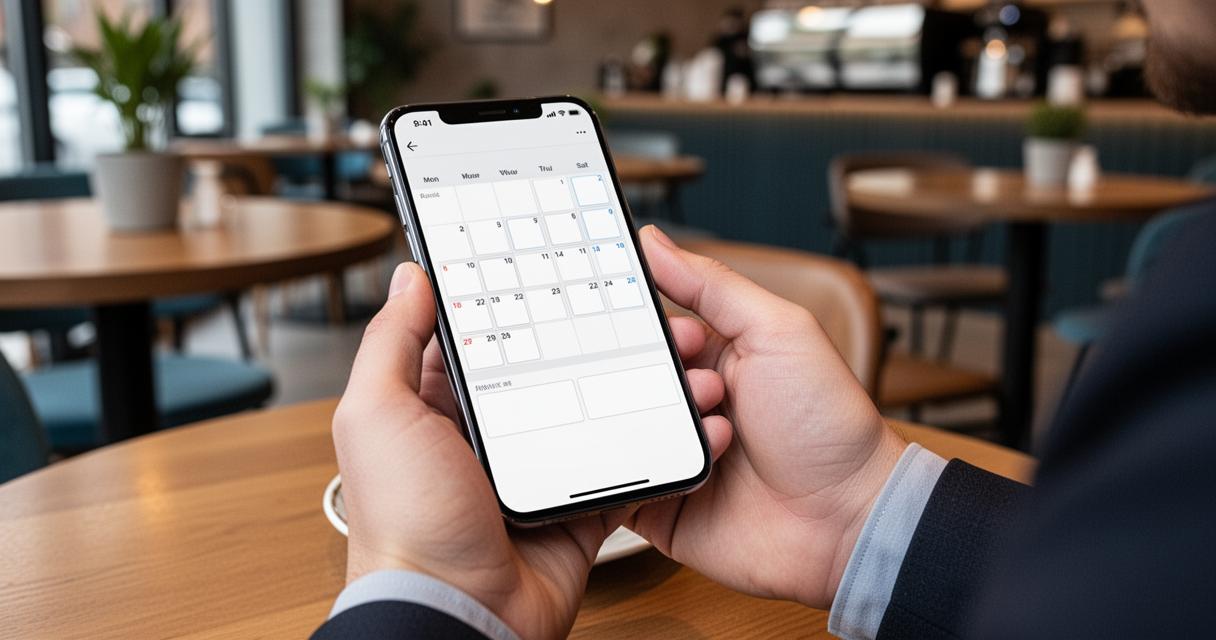
One of the most tangible benefits of modern service business software is the capacity to send automated appointment reminders to clients ahead of their scheduled visit. No-shows represent a genuine drain on resources for any appointment-based business, and the ability to reduce no-shows through timely, automated communications can make a considerable difference to daily revenue. Platforms such as Calendly and Apptoto are particularly noted for their reminder functionality, allowing businesses to configure messages by email or SMS without any manual intervention. This kind of cloud-based scheduling capability frees up staff to focus on delivering services rather than chasing confirmations.
Enhancing client experience with modern reservation tools
Beyond simple diary management, today’s business scheduling tools are designed to elevate the entire customer journey. A well-configured customer booking portal allows clients to view real-time availability, select their preferred team member, and complete a reservation in a matter of seconds. This frictionless experience is increasingly expected by London consumers, who are accustomed to booking everything (from restaurant tables to GP appointments) online.

Integrating digital payments and direct bookings
A growing number of platforms now incorporate digital booking systems with payment processing, enabling businesses to collect deposits or full fees at the point of booking. Acuity Scheduling supports payments via Stripe and PayPal, whilst Setmore accepts transactions through Square and Stripe. SimplyBook.me is tailored specifically for service industries and includes features such as service customisation and the ability to display customer reviews. HoneyBook takes a broader approach, combining client management software with invoicing and project management tools, an attractive proposition for freelancers and creative agencies alike. The ability to prevent double-booking is another advantage built into most leading platforms, with automated conflict detection ensuring that two clients can never be assigned the same slot.
Connecting social networks to your scheduling platform
For businesses that rely heavily on social media to attract new clients, the ability to connect social networks directly to a scheduling platform is particularly valuable. Several solutions allow businesses to add a booking button to their Instagram or Facebook profiles, turning followers into booked appointments without requiring them to navigate away from the platform. This direct integration between social channels and online booking system capabilities removes unnecessary friction and can meaningfully improve conversion rates for businesses that invest in their social presence.
Selecting the Right Solution for Your Enterprise
With so many options available, choosing the right small business scheduling tool requires a clear understanding of your specific requirements. The size of your team, the complexity of your service menu, and your budget will all influence which platform is the best fit. Fortunately, the majority of leading solutions offer a free tier or a trial period, making it straightforward to test several options before committing.

Comparing free versions and paid software packages
The range of pricing models across the market is broad. Several platforms offer genuinely useful free versions: Setmore is free for up to four staff members, whilst SimplyBook.me and Calendly both provide no-cost entry-level plans suited to individuals or very small teams. For businesses requiring more advanced functionality, paid tiers unlock capabilities such as advanced reporting, priority support, and greater customisation. Zoho Bookings starts at a modest monthly fee per staff member, whilst Appointy scales from a free single-user plan up to a corporate package. Sign In Scheduling, formerly known as 10to8, offers a cloud-based solution that automates appointment confirmations and reminders and integrates with a wide range of business applications. The key is to map your requirements against the feature sets on offer, rather than defaulting to the most widely recognised name.
Streamlining daily operations with advanced features
The most sophisticated online meeting scheduler solutions go well beyond simple diary management. Platforms such as OnceHub provide advanced multi-person scheduling, making them well suited to organisations that coordinate complex meetings across multiple team members or locations. Calendly integrates seamlessly with Salesforce and offers meeting analytics, which can be invaluable for sales-driven organisations seeking insight into their appointment pipeline. EasyWeek, meanwhile, is noted for its extensive third-party integrations, offering compatibility with a broad range of external tools and services.
Ultimately, the value of appointment scheduling software lies not merely in its technical capabilities but in how well it fits the rhythm of your business. A platform that your team finds intuitive and your clients find reassuring will always outperform a more feature-rich alternative that creates friction at every step. London businesses that invest thoughtfully in their booking automation infrastructure today are positioning themselves to deliver a consistently superior experience, and to make the most of every appointment on the calendar.